
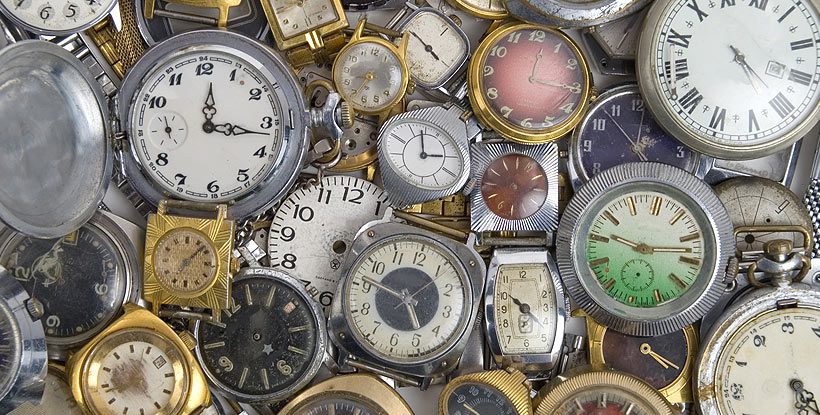
Watches can be more than just timepieces—they can also hold surprising value at auction. Many owners are unsure whether their vintage Seiko watch or antique pocket watch is worth anything at all.
In this guide, we explain how to identify, date, and value Seiko watches and pocket watches, and what makes certain pieces desirable to collectors.
At Potteries Auctions, we are specialist auctioneers of many different items, collectables, and pieces. If you would like to discover the value of your watch, our specialists are happy to help, you can book a free appointment with our valuers at one of our salerooms. Alternatively, if it’s easier, you can submit photographs using our online valuation form, and a member of our team will be in touch with an assessment.
Valuations are also welcome via WhatsApp: send your images to 07864 667940.
Contact Us TodayAre Seiko watches worth anything?
Yes—some Seiko watches are worth money at auction, especially vintage models and limited-production pieces.
While many modern Seiko watches are affordable, certain older models have become highly collectable due to their design, movement history, and growing demand among collectors.
Seiko has also played an important role in watchmaking history, particularly in the development of quartz technology, which you can explore further in our guide to icons of collectible watch brands.
How much is a vintage Seiko watch worth?
The value of a vintage Seiko watch can vary widely, from modest auction prices to several thousand pounds for rare examples.
Key factors affecting value include:
- Model and reference number
- Age (especially 1960s–1980s pieces)
- Original condition and components
- Rarity and production volume
- Mechanical vs quartz movement
Some collectors specifically seek early Seiko dive watches and chronographs, which are increasingly recognised as investment-worthy timepieces, similar to other models discussed in our feature on vintage wristwatches as investments.
Which Seiko watches are valuable?
Not all Seiko watches achieve high auction values, but certain categories consistently attract collector demand:
- Vintage Seiko dive watches (e.g. 6105 and 6309 models)
- 1970s chronographs
- Early “Speedtimer” models
- First-generation Seiko quartz watches
These watches are often collected alongside other important Swiss timepieces such as Rolex and Omega, which we cover in our guide to vintage Omega and Rolex watches at auction.
Do Seiko watches hold their value?
Seiko watches generally hold their value well, but performance depends on rarity and model type.
- Entry-level modern Seiko watches: stable but limited appreciation
- Vintage or rare Seiko models: strong collector demand and potential growth
For comparison, luxury Swiss brands such as Rolex and Patek Philippe often behave differently in the secondary market—see our guides on whether Rolex watches are always valuable and how to tell if a Patek Philippe watch is valuable.
How to identify a valuable Seiko watch
If you think you own a vintage Seiko watch, here’s what to look for:
1. Caseback reference number
This is the most important identifier for model and production year.
2. Movement type
Mechanical and early automatic movements are often more desirable.
3. Original dial and hands
Originality is key—replaced parts can reduce value.
4. Production era
Watches from the 1960s–1970s are particularly sought after.
If you are unsure how to assess your watch, our specialist department for antique watches and collectable timepieces can help with identification and valuation.
Are pocket watches valuable?
Yes—antique pocket watches can be highly valuable, depending on age, maker, and materials.
Gold and silver cased pocket watches, military-issued pieces, and railway watches tend to perform best at auction.
To understand broader market trends, see our detailed guide on whether old pocket watches are valuable.
How to identify an antique pocket watch
Correct identification is essential when determining value.
Look for:
1. Maker’s marks
Brands such as Waltham, Elgin, and Omega are commonly seen in collectible pieces.
2. Serial numbers
These help date the movement and production period.
3. Case hallmarks
Precious metal cases will include assay marks indicating gold or silver content.
4. Movement engraving
The internal mechanism often provides the most accurate identification details.
For a deeper historical breakdown, you may also find our article on the history of pocket watches and how they sell at auction useful.
When were pocket watches invented and popular?
Pocket watches date back to the 16th century but became widely used in the 18th and 19th centuries.
They remained the dominant form of portable timekeeping until wristwatches became more popular after World War I.
Some military pocket watches, including those featured in our guide to the Dirty Dozen military watches, remain highly collectable today.
Are old pocket watches still valuable today?
Yes—many antique pocket watches still achieve strong auction results.
Higher-value examples typically include:
- Gold or silver cased watches
- Railway or military-issued timepieces
- High-grade Swiss or American movements
Market interest remains strong, especially when sold through specialist departments such as our antique watches and modern collectable timepieces auctions.
Selling Seiko watches and pocket watches at auction
If you believe you own a valuable watch, auction is often the best way to achieve true market value.
Prices are influenced by:
- Collector demand
- Rarity of the model
- Condition and originality
- Provenance and documentation
For a full step-by-step overview, see our guide on how to sell your vintage watch at auction.
Get a watch valuation
At Potteries Auctions, our specialists regularly value and sell:
- Vintage Seiko watches
- Antique pocket watches
- Luxury Swiss timepieces including Rolex, Omega, and Jaeger-LeCoultre
You can explore recent results in our article on watches at Potteries Auctions.
Whether you own a vintage Seiko watch or an antique pocket watch passed down through generations, it may be worth significantly more than expected.
Understanding the model, condition, and history is key to unlocking its true auction value—and our specialists are here to help guide you through that process.
Frequently Asked Questions About Seiko Watches and Pocket Watches at Auction
Yes, some Seiko watches are worth money at auction. Vintage models—especially from the 1960s to 1980s—can be highly collectable depending on rarity, condition, and model type.
The value of a Seiko watch varies widely. Common modern models may sell for modest amounts, while rare vintage models can achieve significantly higher prices at auction.
The most valuable Seiko watches tend to include vintage dive watches, early chronographs, and first-generation quartz models. Examples from the 1970s are particularly sought after by collectors.
Check the caseback reference number, movement type, and originality of parts. Watches with original dials, hands, and correct movements are generally more valuable.
Yes, many antique pocket watches are still valuable, especially those made from gold or silver, or produced by well-known manufacturers such as Waltham, Elgin, or Omega.
Look for maker’s marks, serial numbers, and case hallmarks. These details can help determine the age, origin, and potential value of the watch.
Pocket watches first appeared in the 16th century and became widely used in the 18th and 19th centuries before wristwatches replaced them in popularity during the early 20th century.
Some Seiko watches hold their value well, particularly rare vintage models. However, most modern Seiko watches maintain stable but modest resale values.
Yes, vintage watches can be sold at auction and often achieve strong results when correctly identified and marketed. Specialist auction houses can help assess value and demand.
You can:
Submit images through our online valuation form
Send photos via WhatsApp 07864 667940
Book an in-person appointment
Email: enquiries@potteriesauctions.com