
While most auction lots sell within their expected valuation range, certain items consistently outperform estimates by a significant margin. These results are not random — they are driven by collector demand, rarity, presentation, and the nature of grouped estate lots. Below are recent standout examples from Potteries Auctions showing exceptional performance across jewellery and coins.
At Potteries Auctions, we regularly handle rare and collectable jewellery, gold and watches. If you would like to discover the value of your collection, our specialists are happy to help, you can book a free appointment with our valuers at one of our salerooms. Alternatively, if it’s easier, you can submit photographs using our online valuation form, and a member of our team will be in touch with an assessment.
Valuations are also welcome via WhatsApp: send your images to 07864 667940.
Vintage Jewellery Estate Collection Achieves 367% Above Estimate
A mixed collection of vintage costume jewellery achieved one of the strongest results in this dataset.
- Estimate: £40–£80
- Hammer Price: £280
- Result: 367% above estimate
This estate lot included a wide variety of items such as:
- Cameo jewellery
- Coral bracelets
- Rings and brooches
- Wedgwood pieces
- Silver jewellery
- Beaded necklaces
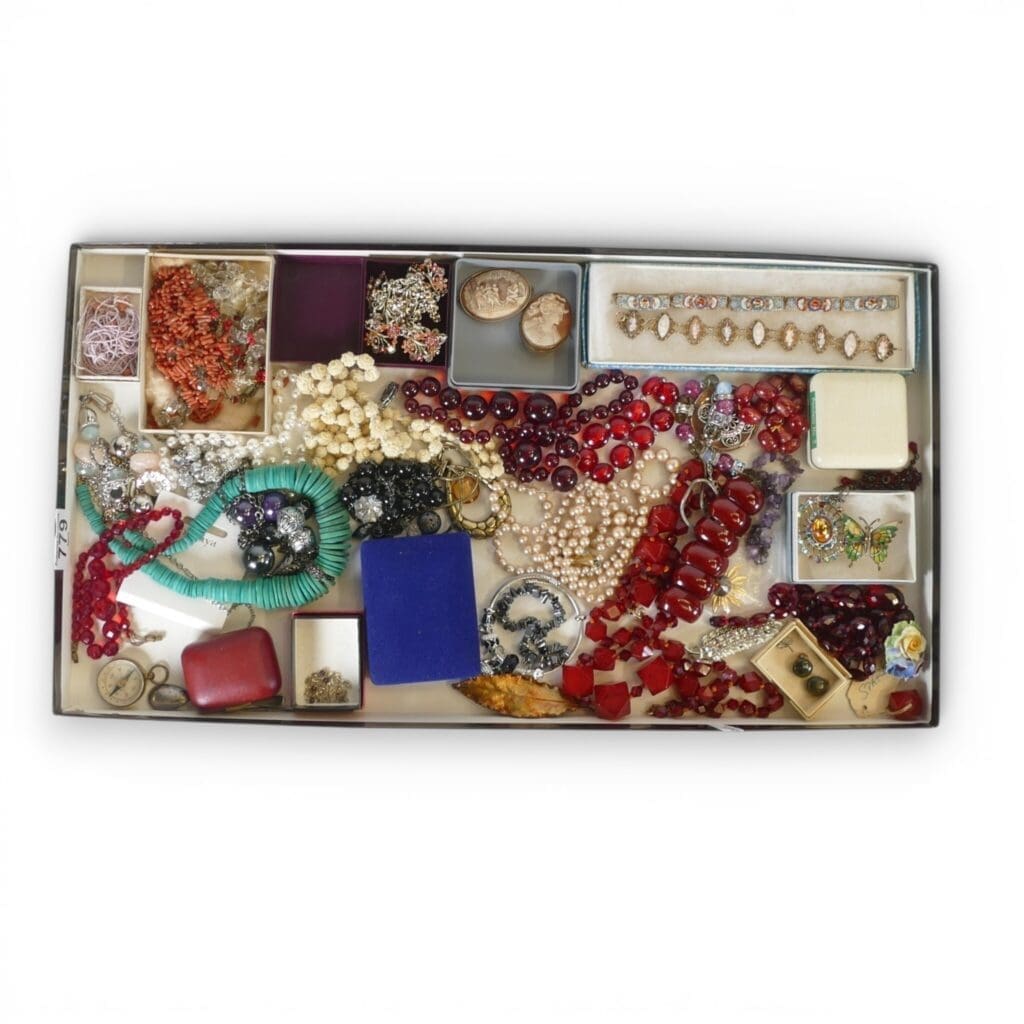
The strong performance reflects a key auction trend: mixed jewellery estates often outperform expectations due to broad bidder appeal and hidden value within grouped lots.
Vintage Gold Charm Collection Doubles Estimate Expectations
A group of 11 vintage 9ct gold charms and pendants delivered a significant premium result.
- Estimate: £100–£200
- Hammer Price: £600
- Result: 300% above estimate
Despite being a relatively small lot, demand was strong due to:
- Gold content
- Vintage appeal
- Collector interest in charm bracelets and pendants
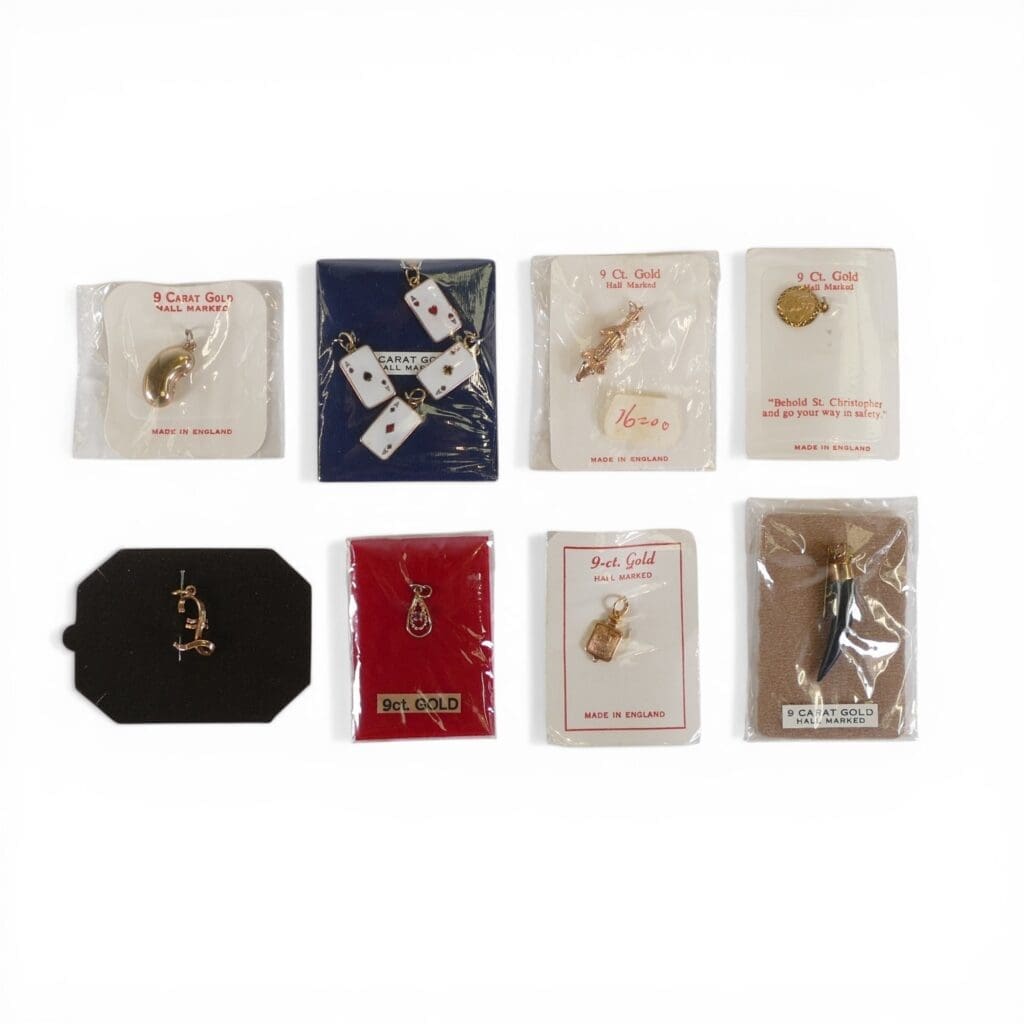
This result highlights how even modestly described lots can significantly outperform when intrinsic value and collector demand align.
Estate Jewellery Collection Reaches 300% Above Estimate
Another large estate jewellery collection achieved strong competitive bidding.
- Estimate: £60–£120
- Hammer Price: £360
- Result: 300% above estimate
The lot included:
- Silver jewellery
- Brooches
- Necklaces and pendants
- Bangles
- Art Deco pieces
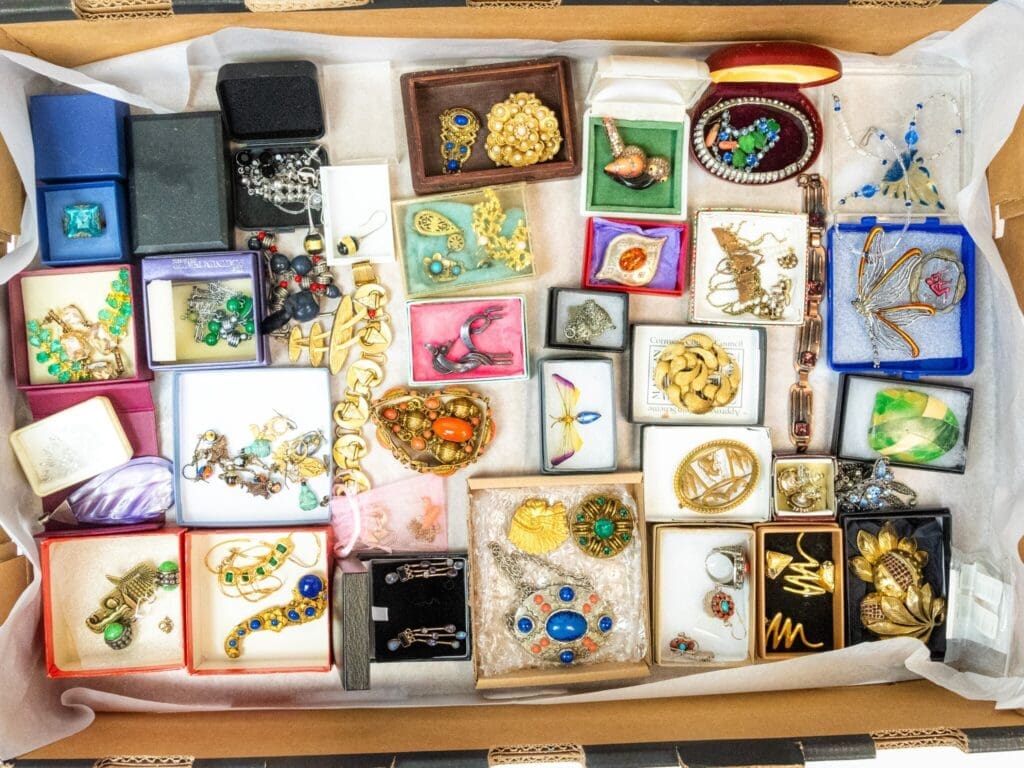
As with other estate collections, the diversity of items created broad appeal across multiple bidder types, increasing competition and driving the final price significantly above estimate.
Silver Proof Coin Set Achieves 283% Above Estimate
Coins also demonstrate strong outperformance when collector demand is high.
A boxed Perth Mint silver proof set achieved a strong premium result:
- Estimate: £40–£80
- Hammer Price: £230
- Result: 283% above estimate
The lot included:
- 2004 & 2005 Australian Kookaburra silver coins
- Elizabeth II proof coins
- Presentation case and packaging
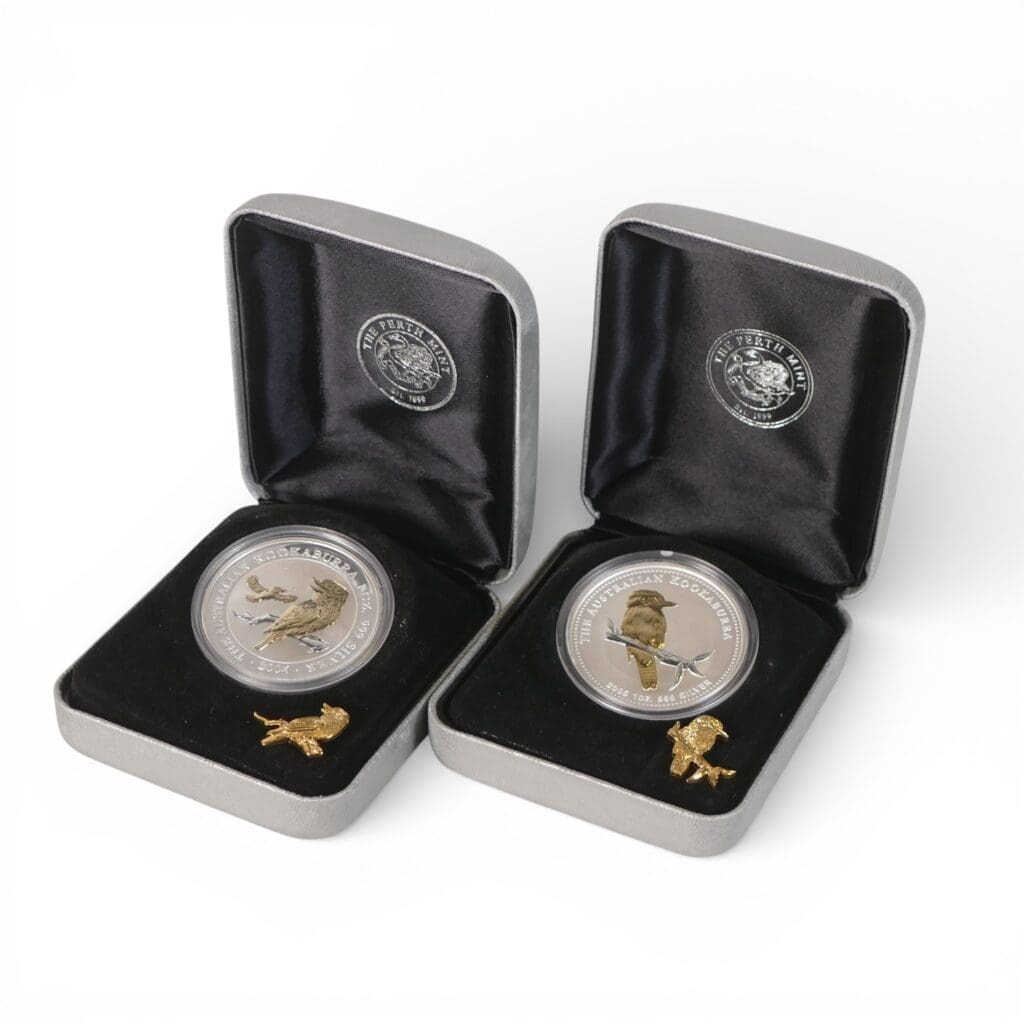
Boxed, limited edition, and proof-condition coins frequently attract strong collector competition, particularly when condition is excellent and provenance is clear.
What These Results Have in Common
Across these standout lots, several clear patterns emerge:
1. Estate and mixed jewellery lots outperform expectations
A wide variety of items increases bidder participation and competition.
2. Gold content drives strong premiums
Even small quantities of 9ct gold jewellery can significantly exceed estimates.
3. Presentation and completeness matter
Boxed or well-presented coins and sets consistently achieve higher prices.
4. Collector demand outweighs material value
In many cases, bidding is driven by desirability rather than intrinsic metal value alone.
Key Insight: Why Some Lots Outperform by 3x–4x Estimate
Across these examples, strong performance is driven by a combination of:
- Underestimated valuation at cataloguing stage
- High bidder competition on sale day
- Collector-driven demand
- Broad appeal of mixed estate lots
- Scarcity or condition advantages
In some cases, items sell for 300% to 367% above their initial estimate, demonstrating the importance of specialist auction exposure for certain asset types.
What This Means for Sellers
These results highlight an important opportunity:
Items that may appear modest in value can significantly outperform expectations when sold in the right auction environment.
In particular:
- Estate jewellery collections can attract strong competition
- Gold content often drives bidding above scrap value
- Collectable coins and proof sets can exceed expectations substantially
Understanding these dynamics can help sellers make more informed decisions about where and how to sell their items.
Recent auction results show that estate jewellery, gold charms, and proof coin sets can achieve between 283% and 367% above estimate, driven by collector demand, presentation, and competitive bidding. These results demonstrate that auction outcomes can significantly exceed initial valuations when market interest is strong.
Thinking of Selling Gold, Jewellery or Coins?
If you have gold, jewellery, watches, or coins and are considering selling, understanding true auction performance can make a significant difference to your outcome.
A professional valuation can help determine whether your items are likely to perform above estimate due to collector demand, or closer to intrinsic material value.
Frequently Asked Questions
This usually happens when bidder demand significantly exceeds expectations.
Across recent results, items achieving 300%+ premiums were typically driven by:
– Strong collector interest
– Underestimated value at cataloguing stage
– Mixed estate lots with hidden value
– Gold content or intrinsic material value
– Boxed or well-presented items (especially coins)
In several cases, competitive bidding pushed prices to 3–4 times their original estimate.
Yes, estate jewellery collections often perform strongly.
In recent auctions, multiple estate jewellery lots achieved between 300% and 367% above estimate. These results are typically driven by:
– Variety within the lot (brooches, rings, necklaces, silver pieces)
– Broad bidder appeal across different collecting interests
– Hidden value not fully reflected in initial valuation
Grouped estate lots can attract more competition than individual items.
No, but gold content can significantly improve performance.
Even small gold charm lots have achieved up to 300% above estimate, particularly when:
– Items are 9ct or higher gold
– There is collector demand (e.g. charm bracelets, pendants)
– Multiple bidders compete for intrinsic and resale value
However, gold alone does not guarantee a premium result — demand still plays a key role.
Mixed jewellery lots perform well because they appeal to a wide range of buyers.
A single tray may include:
– Gold and silver items
– Costume jewellery
– Vintage and decorative pieces
– Art Deco or collectible items
This broad appeal increases bidder participation, which often leads to higher final hammer prices.
Yes. Coins and proof sets often attract strong collector demand.
For example, boxed silver proof sets and commemorative coins have achieved premiums of over 280% above estimate in recent sales.
Key factors include:
– Condition (proof or uncirculated)
– Presentation (boxed sets perform better)
– Collectability and limited editions
Items that significantly outperform estimates typically share several characteristics:
– Undervalued at initial cataloguing stage
– Strong collector demand on sale day
– Rare or desirable combinations of items
– Attractive presentation or packaging
– Emotional or historical appeal
Auction estimates are guidance only and do not limit final selling prices.
Yes. Some of the strongest-performing lots include relatively modest items such as:
– Small gold charm collections
– Mixed estate jewellery trays
– Coin groups with historical interest
These items can achieve 300%+ premiums when bidder competition is strong.
Generally, yes. Boxed items — particularly coins and proof sets — often achieve stronger results because:
– They suggest completeness and authenticity
– They are more attractive to collectors
– They often indicate limited editions or official mint releases
Presentation can have a significant impact on final price.
An estimate is a valuation range provided before the auction to guide expectations. However, actual auction results can vary significantly due to:
– Live bidding competition
– Market demand
– Rarity or condition not fully reflected in valuation
As shown in recent results, items can sell well above or below estimate.
Key considerations include:
– Whether items may have collector value beyond scrap or intrinsic value
– Whether items are part of a larger estate collection
– Condition, completeness, and presentation
– Current demand for similar items in the market
Specialist auction environments can significantly improve results for the right items.
Yes. Recent results show multiple examples where items achieved between 300% and 367% above estimate, particularly in:
– Estate jewellery collections
– Gold charm groups
– Boxed coin sets
These results are driven by competitive bidding and strong collector interest.