
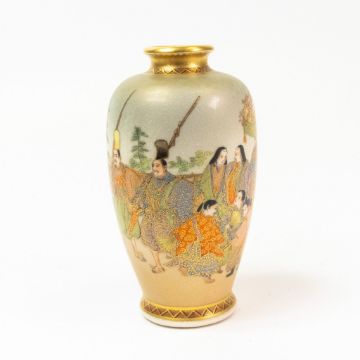
Japanese Satsuma pottery is one of the most recognisable and collectible forms of antique ceramics, known for its intricate decoration, gilding, and detailed hand-painted scenes. From finely detailed Meiji period vases to later decorative pieces, Satsuma continues to attract collectors worldwide.
At Potteries Auctions, we regularly value and sell Japanese Satsuma vases, bowls, and tea wares, with prices ranging from modest decorative pieces to highly collectable signed works. If you would like to discover what your Satsuma pottery could be worth, our specialists offer free, no-obligation valuations — simply send images online or via WhatsApp for expert advice.
Contact Us TodayWondering What Your Satsuma Is Worth?
Our ceramics specialists assess Japanese pottery every week.
✅ Free auction valuation
✅ No obligation
✅ Specialists in Asian ceramics
Whether you have a single vase or an inherited collection, we can quickly advise on:
- Age and authenticity
- Maker or artist
- Auction suitability
- Estimated value
What Is Japanese Satsuma Pottery?
Satsuma pottery originated in Japan during the 17th century but became highly popular during the Meiji period (1868–1912), when pieces were widely exported to Europe.
Typical features include:
- Fine crackled ivory glaze
- Rich gold gilding
- Detailed painted figures (Geisha, Samurai, deities)
- Floral and landscape scenes
Many pieces were made for export, which is why Satsuma pottery is commonly found in UK collections today.
How to Identify Valuable Satsuma Pottery
Not all Satsuma is highly valuable, so correct identification is key.
Look for Maker’s Marks
Genuine pieces often feature marks on the base, including:
- Shimazu clan crest
- Painted or impressed character marks
- Artist signatures
Well-known makers can significantly increase value.
Not all Satsuma is highly valuable, so correct identification is key.
Look for Maker’s Marks
Genuine pieces often feature marks on the base, including:
- Shimazu clan crest
- Painted or impressed character marks
- Artist signatures
Well-known makers can significantly increase value.
Is Japanese Satsuma Pottery Valuable?
Satsuma pottery can range widely in value depending on age, maker, quality, and condition.
At auction, typical results include:
- Decorative pieces: £40 – £100
- Mid-range signed vases: £100 – £300
- Fine Meiji period examples: £300+
Exceptional pieces by well-known artists can achieve significantly higher prices.
Get a Free Auction Estimate for Your Japanese Satsuma Collection
Highest-Value Japanese Satsuma Pieces from Recent Auctions
Our recent auctions have featured a range of highly collectable Japanese Satsuma pottery, from finely painted Meiji period vases to signed works by notable artists. Here are three standout results:
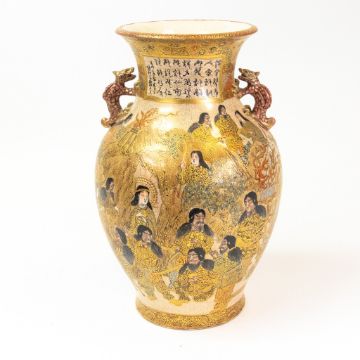
19th Century Japanese Satsuma Vase with Dragon Handles
One of the top-performing lots was an impressive 19th century Satsuma vase featuring striking dragon handles and richly detailed decoration of Buddhist disciples. Pieces combining bold form with intricate figure work are particularly sought after by collectors.
- Shimazu crest to neck and base
- Two artist marks to base
- Gilded decoration with polychrome enamels
- Height: 25cm
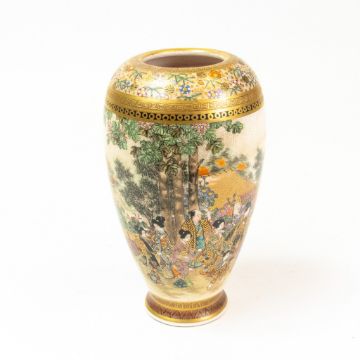
Japanese Satsuma Vase by Okamoto Ryozan
This finely decorated vase by Okamoto Ryozan achieved a strong result, reflecting the desirability of signed Satsuma pieces by recognised artists. The detailed garden and landscape scenes demonstrate the high level of craftsmanship associated with Meiji period ceramics.
- Signed by Okamoto Ryozan
- Gilded detailing with figures in landscape setting
- Fine hand-painted decoration
- Height: 15cm
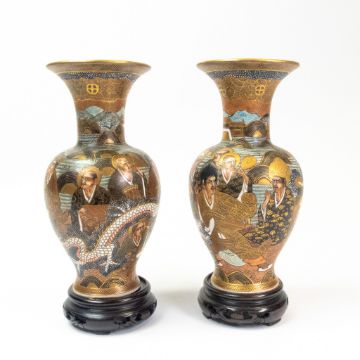
Pair of 19th Century Japanese Satsuma Vases with Original Box
Pairs of Satsuma vases, particularly those retaining their original packaging, continue to perform well at auction. This set featured distinctive dragon decoration and benefitted from its presentation in the original wooden box.
- Pair of matching vases
- Dragon motif coiled around the body
- Artist monogram to base
- Original wooden box included
- Height: 15.5cm
Why Sell Satsuma Pottery at Auction?
Selling through auction offers several key advantages:
Competitive Bidding
Collectors compete for desirable pieces, helping to maximise prices.
Expert Identification
Our specialists can attribute pieces to specific artists or workshops.
Global Audience
Satsuma pottery attracts international collectors, particularly from Europe, the US, and Asia.
Frequently Asked Questions about Satsuma Pottery Collectables
Look for a crackled glaze, fine hand-painted decoration, and a maker’s mark. However, reproductions exist, so expert verification is recommended.
The Shimazu crest is a circular cross symbol often found on Satsuma pottery. It was used as a decorative mark and does not always guarantee age or quality.
No. Many later pieces were mass-produced for export and may have modest value. Earlier, finely decorated examples are typically more desirable.
Specialist auction houses often achieve the best results, particularly for signed or high-quality pieces, as collectors compete globally.
Yes. Potteries Auctions offers free, no-obligation valuations. Simply send images online or via WhatsApp, or book an in-person appointment.