
Shelley pottery is one of the most collectible names in British fine bone china, especially known for its elegant tea ware and Art Deco designs.
Collectors are often interested in:
Shelley china patterns by number
Is Shelley china valuable?
Shelley pottery marks identification
This expert guide explains how to identify Shelley backstamps, date your pieces, and understand their market value.
At Potteries Auctions, we are specialist auctioneers of many different items, collectables, and pieces. If you would like to discover the value of your watch, our specialists are happy to help, you can book a free appointment with our valuers at one of our salerooms. Alternatively, if it’s easier, you can submit photographs using our online valuation form, and a member of our team will be in touch with an assessment.
Valuations are also welcome via WhatsApp: send your images to 07864 667940.
Contact Us TodayA Brief History of Shelley Pottery (Wileman to Shelley)
Shelley pottery has a long and complex history dating back to the 1870s.
Key milestones:
- Originally known as Wileman & Co
- Later became Foley Potteries
- Rebranded as Shelley in the early 1900s
- Known for fine bone china tea sets and Art Deco designs
- Became part of Allied English Potteries (1965)
- Production ended in 1966
👉 The factory closed, but Shelley remains one of the most desirable British china brands today.
For a deeper historical overview, see our guide: A Brief History of Shelley & Wileman’s Intarsio
And explore more about the brand here Shelley Pottery
Get a Free Auction Estimate for Your Shelley Pottery
How to Identify Shelley Pottery Marks (Backstamps Guide)
Shelley pottery marks, also known as Shelley backstamps, on the base of your piece is key to establishing the age of your item, as well as the potential value.
Wileman Marks (1880–1910)
Early factory marks are among the most collectible Shelley-related pieces. These include:
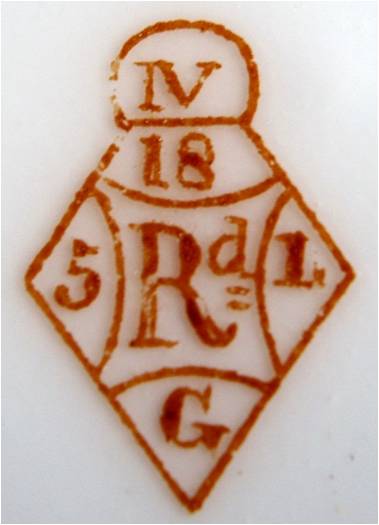
Wileman 1880-1882
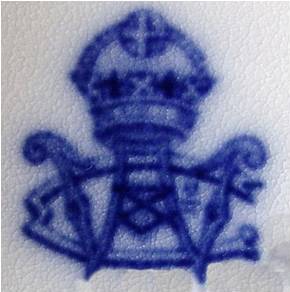
Wileman 1883
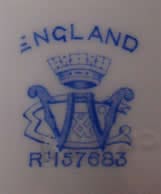
Wileman 1890 – 1891 Variations may omit “England” or include “Made in England”
Late Foley/Shield Marks (1910–1916)
A key transitional mark includes:
- “Late Foley”
- Introduction of the Shelley shield
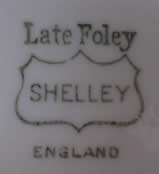
- Simple Shelley shield logo
- Sometimes no additional text
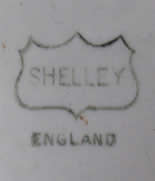
These marks represent the early Shelley branding phase.
This period is highly sought after for anyone interested in late Foley Shelley England pieces
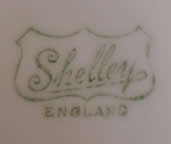
5. Classic Shelley Marks (1925–1945)
During this period, there was a refined Shelley shield, “England” added and more consistent branding
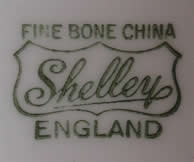
6. Post-War Shelley Marks (1945–1966)
- “Shelley England”
- Fine bone china designation
- Cleaner, modern stamps
These are among the most common Shelley marks found today.
Shelley China Patterns (By Number & Name)
Demand for Shelley china patterns by number is high because Shelley produced thousands of designs.
Popular pattern names include:
- Dainty
- Bute
- Ovide
- Melody
- Chintz designs (e.g. Marguerite, Rock Garden)
Pattern names are often more important than backstamps when determining value.
Are Shelley Tea Sets and China Valuable?
Yes — Shelley fine bone china is highly collectible, especially:
Higher Value Pieces
- Art Deco tea sets
- Rare or discontinued patterns
- Complete tea services
- Early Wileman or Foley pieces
- Chintz and floral collections
Lower Value Pieces
- Common later production items
- Damaged or incomplete sets
Typical values:
- Single cups/saucers: £10–£40
- Tea sets: £80–£300+
- Rare collections: £500–£1,000+
Example: A Shelley Chintz tea set sold for £800 at auction.
Why Shelley China Is So Collectible
Shelley is especially popular because:
- Ultra-thin but strong bone china
- Elegant Art Deco shapes
- Highly detailed floral patterns
- Strong international demand (especially Asia & USA)
See why collectors love it: A Shout Out to Shelley!
Most Popular Shelley Teaware at Auction
Some Shelley patterns consistently perform well, including:
- Chintz tea sets
- Art Deco designs
- Floral tea services
- Rare patterned cups and saucers
Discover current demand here: Which Shelley Teaware Patterns are Popular at Auction?
Example auction highlights: Shelley Tea Ware Steals the Show at September Sale
How to Sell Shelley Pottery
If you are interested in Shelley pottery, then auction is often the best route for strong returns.
At Potteries Auctions, we offer:
- Free expert valuations
- Specialist ceramics auctions
- International buyer demand
Sell Shelley pottery here: Shelley Pottery For Auction
Frequently Asked Questions About Shelley China
Yes — values range from £10 for single items to £1,000+ for rare or complete sets.
Check the base for Wileman, Foley, Late Foley, or Shelley shield marks depending on age.
Chintz designs and rare Art Deco patterns are among the most sought-after.
It refers to transitional pieces made during the change from Foley to Shelley branding (c.1910–1916).
Yes — especially complete or floral Art Deco tea sets.
Shelley dates back to the 1870s under Wileman & Co.
Specialist auctions typically achieve the highest prices for Shelley china.
You can:
Submit images through our online valuation form
Send photos via WhatsApp 07864 667940
Book an in-person appointment
Email: enquiries@potteriesauctions.com